Addressing Common Industrial Wastewater Challenges: Effective Solutions for Sustainable Management
- palwinder kaur
- Jan 7
- 3 min read

Industrial wastewater management is a critical aspect of environmental protection and sustainable industrial operations. Industries generate large volumes of wastewater containing various pollutants that can harm ecosystems and human health if not treated properly. This blog post explores the common challenges faced in managing industrial wastewater and offers practical, actionable solutions to overcome these issues efficiently.
Understanding the Complexity of Industrial Wastewater
Industrial wastewater varies significantly depending on the type of industry, raw materials used, and production processes. It often contains a mix of organic and inorganic substances, heavy metals, oils, chemicals, and suspended solids. This complexity makes treatment challenging.
For example, textile industries discharge wastewater rich in dyes and chemicals, while metal processing plants produce effluents containing heavy metals like lead and mercury. The variability in composition requires customized treatment approaches.
Key challenges include:
High pollutant concentration
Fluctuating wastewater volume and quality
Presence of toxic and non-biodegradable substances
Regulatory compliance requirements
Addressing these challenges requires a thorough understanding of the wastewater characteristics and selecting appropriate treatment technologies.
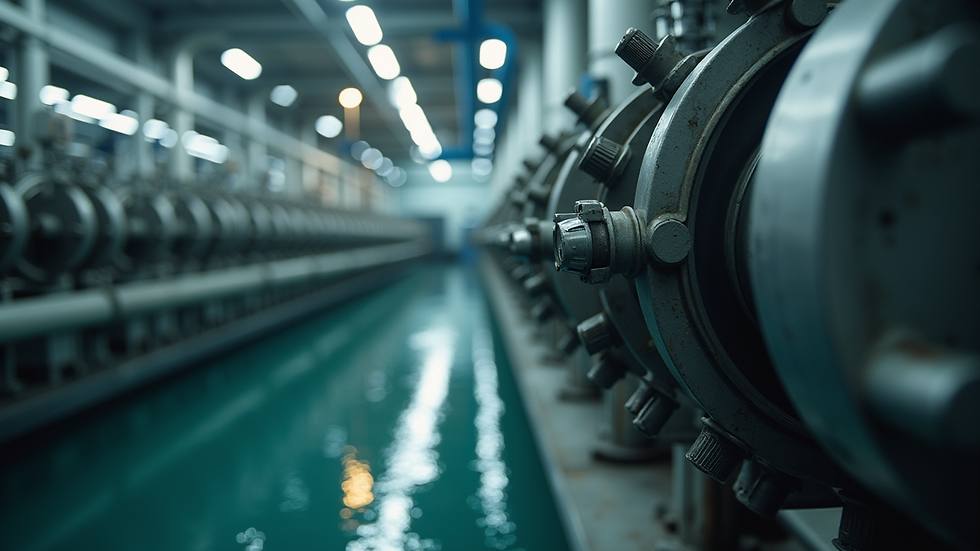
Close-up view of machinery used in industrial wastewater treatment
Selecting Appropriate Treatment Technologies for Industrial Wastewater
Choosing the right treatment technology is crucial for effective wastewater management. The selection depends on the wastewater’s physical, chemical, and biological characteristics.
Common treatment methods include:
Physical Treatment
Sedimentation to remove suspended solids
Filtration to separate particles
Flotation to remove oils and greases
Chemical Treatment
Coagulation and flocculation to aggregate fine particles
Neutralization to adjust pH levels
Oxidation to break down complex pollutants
Biological Treatment
Aerobic processes using microorganisms to degrade organic matter
Anaerobic digestion for high-strength organic waste
Advanced Treatment
Membrane filtration (e.g., reverse osmosis) for fine purification
Adsorption using activated carbon for removing trace contaminants
Advanced oxidation processes for persistent pollutants
Each method has its advantages and limitations. Often, a combination of these treatments is necessary to meet discharge standards and reuse requirements.
Implementing Monitoring and Control Systems
Continuous monitoring and control are essential to ensure the treatment process operates efficiently and complies with environmental regulations. Automated systems equipped with sensors can track parameters such as pH, turbidity, chemical oxygen demand (COD), and heavy metal concentrations in real-time.
Benefits of monitoring systems:
Early detection of process deviations
Optimization of chemical dosing and energy use
Compliance with discharge permits
Data collection for reporting and process improvement
For instance, industries can use Supervisory Control and Data Acquisition (SCADA) systems to remotely monitor treatment plants and make timely adjustments.

Eye-level view of control room monitoring industrial wastewater treatment
Addressing Sludge Management Challenges
Sludge generated from wastewater treatment contains concentrated pollutants and requires proper handling to avoid secondary pollution. Sludge management is often overlooked but is a significant challenge due to its volume and hazardous nature.
Effective sludge management strategies include:
Thickening and Dewatering: Reduces sludge volume by removing excess water
Stabilization: Biological or chemical processes to reduce pathogens and odors
Disposal or Reuse: Safe disposal in landfills or beneficial reuse as fertilizer or fuel after treatment
For example, anaerobic digestion not only stabilizes sludge but also produces biogas, which can be used as an energy source, enhancing sustainability.
Ensuring Regulatory Compliance and Environmental Responsibility
Industries must comply with local and national regulations governing wastewater discharge to protect water bodies and public health. Non-compliance can result in heavy fines, legal action, and reputational damage.
Steps to ensure compliance:
Regularly update knowledge of applicable regulations
Conduct periodic wastewater quality testing
Maintain detailed records and reports
Train staff on environmental best practices
Invest in upgrading treatment facilities as needed
Adopting a proactive approach to compliance helps industries avoid penalties and demonstrates corporate social responsibility.
Future Trends in Industrial Wastewater Management
The future of industrial wastewater treatment is moving towards more sustainable and cost-effective solutions. Emerging trends include:
Resource Recovery: Extracting valuable materials like metals and nutrients from wastewater
Digitalization: Using AI and machine learning for predictive maintenance and process optimization
Green Technologies: Employing natural treatment systems such as constructed wetlands
Water Reuse: Treating wastewater to a standard suitable for industrial or agricultural reuse, reducing freshwater demand
These innovations promise to reduce environmental impact and operational costs.
Effective management of industrial wastewater is essential for sustainable industrial growth and environmental protection. By understanding the challenges and implementing tailored treatment solutions, industries can minimize pollution, comply with regulations, and contribute to a healthier ecosystem. Continuous improvement and adoption of new technologies will further enhance wastewater management practices in the years to come.


Comments